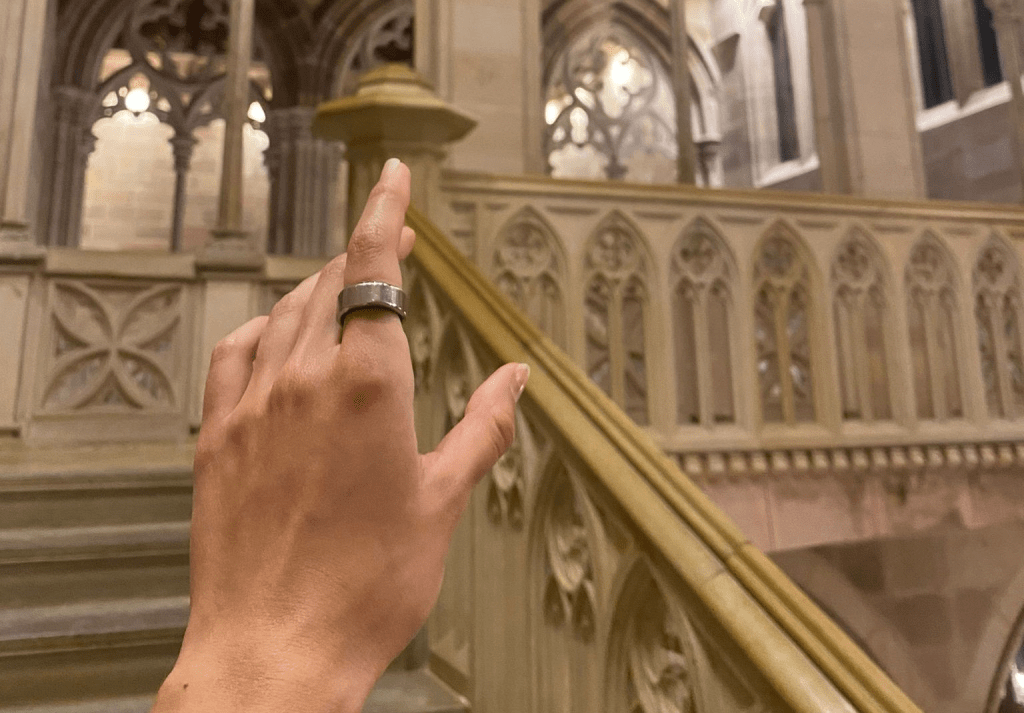
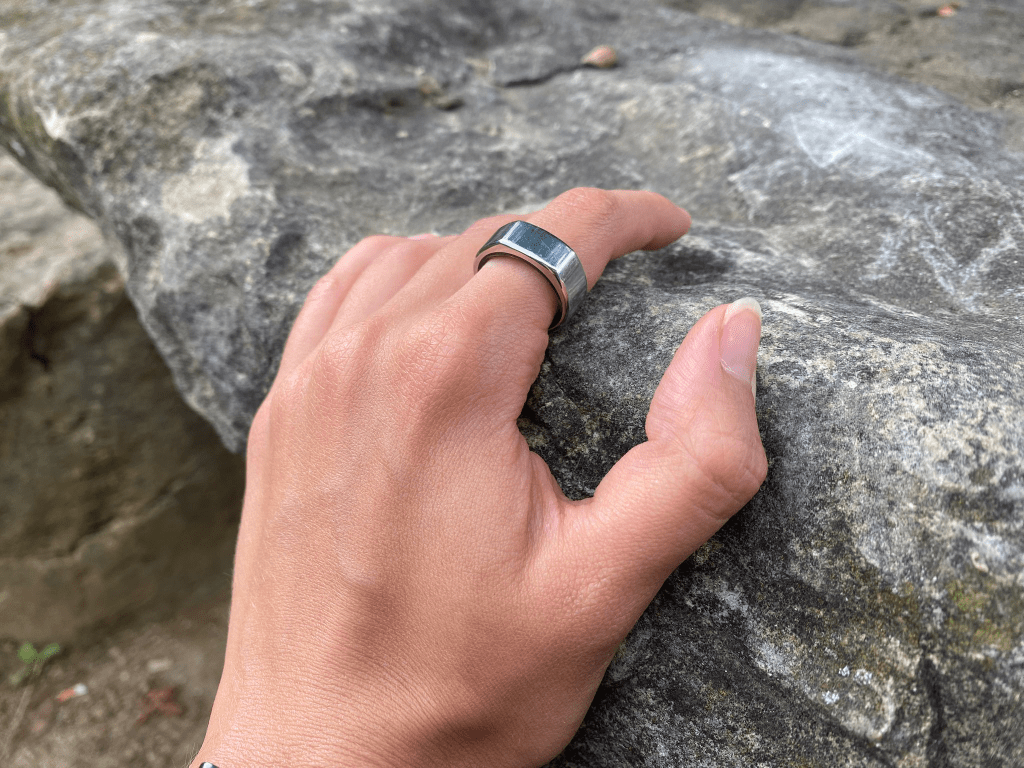
In this post I want to talk about my own experience with the OURA ring. I must be honest I have not tested any other fancy health tracking watches or rings so cannot really compare my results with those. The post is based purely on my experience as a user of the OURA ring which I bought on eBay several months ago.
What does OURA ring measure?
There is a variety of things that OURA ring measures. You can find them all in the “Features” section on the official OURA website. But I want to draw your attention to the three of them that are particularly interesting:
- Sleep quality, particularly the amount of deep and REM sleep. Our sleep quality not only impacts our mood and energy but it is also tightly connected to our metabolism. I really recommend reading the book “Why we sleep?” written by Matthew Walker (a professor of neuroscience and psychology at the University of California, Berkeley). According to this scientist, having a better sleep has been associated with better blood sugar control. Lack of sleep and poor sleep quality on the other hand increase the risk of cancer, heart attack and Alzheimer’s.
- Heart Rate Variability or HRV for short. You have probably heard about heart rate being an important metric. Well, I’m about to make matters more complex for you and say that is another metric that defines the quality of your health and it is HRV. It is essentially a metric that defines how adaptable your heart is to different life situations. The higher the variability, the more “flexible” your heart is, the easier it is for it to adapt to your body’s needs. Your HRV is connected to your parasympathetic nervous system (read: fight or flight, digestion and other subconscious stuff). Not every smart watch or ring measures HRV.
- Body temperature. This is a simple and familiar metric that everyone understands. Despite that, not every smartwatch or ring measures body temperature. OURA ring not only measures it but it can also make you aware when you get ill before you even feel it physically. It can track the stage of your period cycle you are currently in (applicable only if you have female reproductive organs). Recently OURA has started using temperature to also identify when you experience stress.
How accurate is it?
OURA performed a study on 49 healthy individuals where they have validated their technology by comparing the ring with conventional measuring techniques for heart rate and HRV.
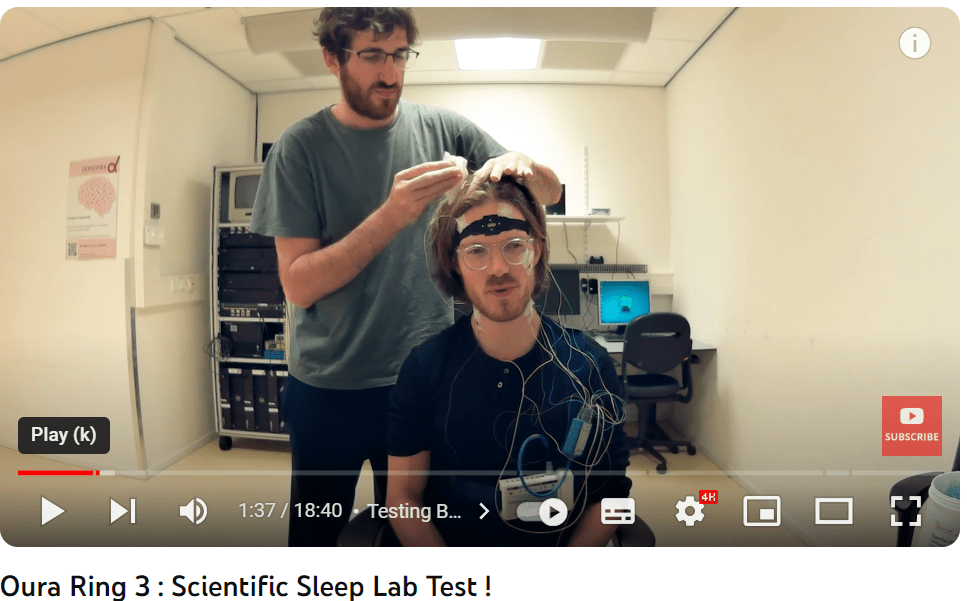
There are also a couple of interesting YouTube videos where geeks use different devices and compare the OURA results with those. My favourite one is the one where a post-doctoral scientist Rob compares OURA seep tracking results with results of a lab sleep tracking device (yeah, the one where they put wires all around your head). It seems that OURA is in general in quite a good agreement with the scientific lab device, but there are still some minor disagreements in the results. REM sleep comparison resulted in the largest discrepancies.
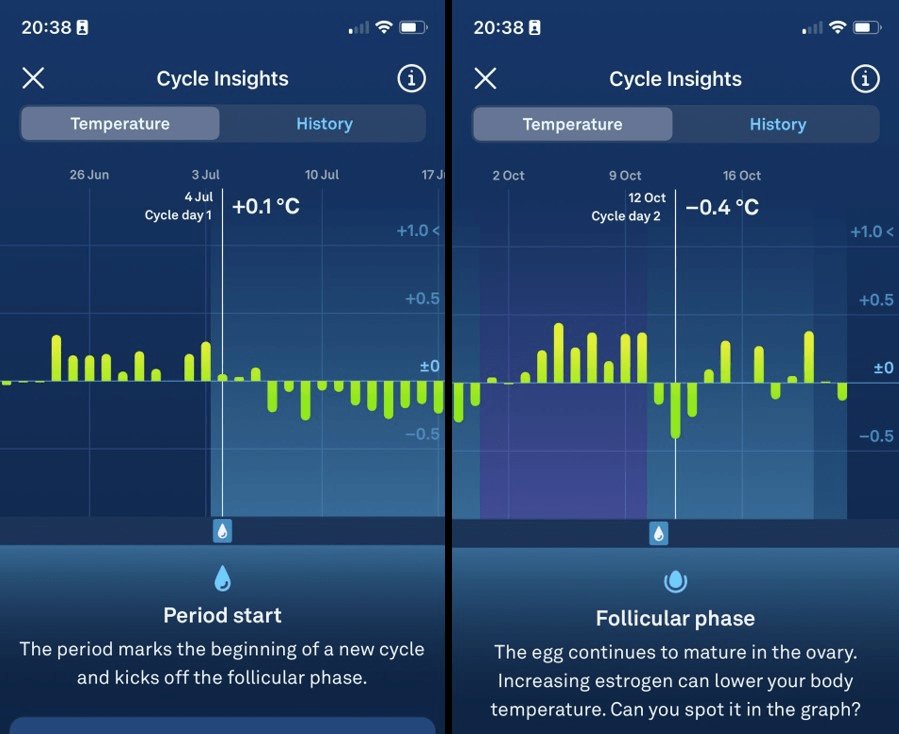
I find that temperature tracking at night is pretty accurate and I was fascinated by the fact that my body temperature changes depending on whether I am in the follicular or the luteal phase of my period cycle. I did not even know these names before using OURA. How come they don’t teach this in schools??? My period start also consistently coincides with the drop in body temperature. I can read my temperature in the morning and know in advance that my period will start this day!
New feature: stress tracking
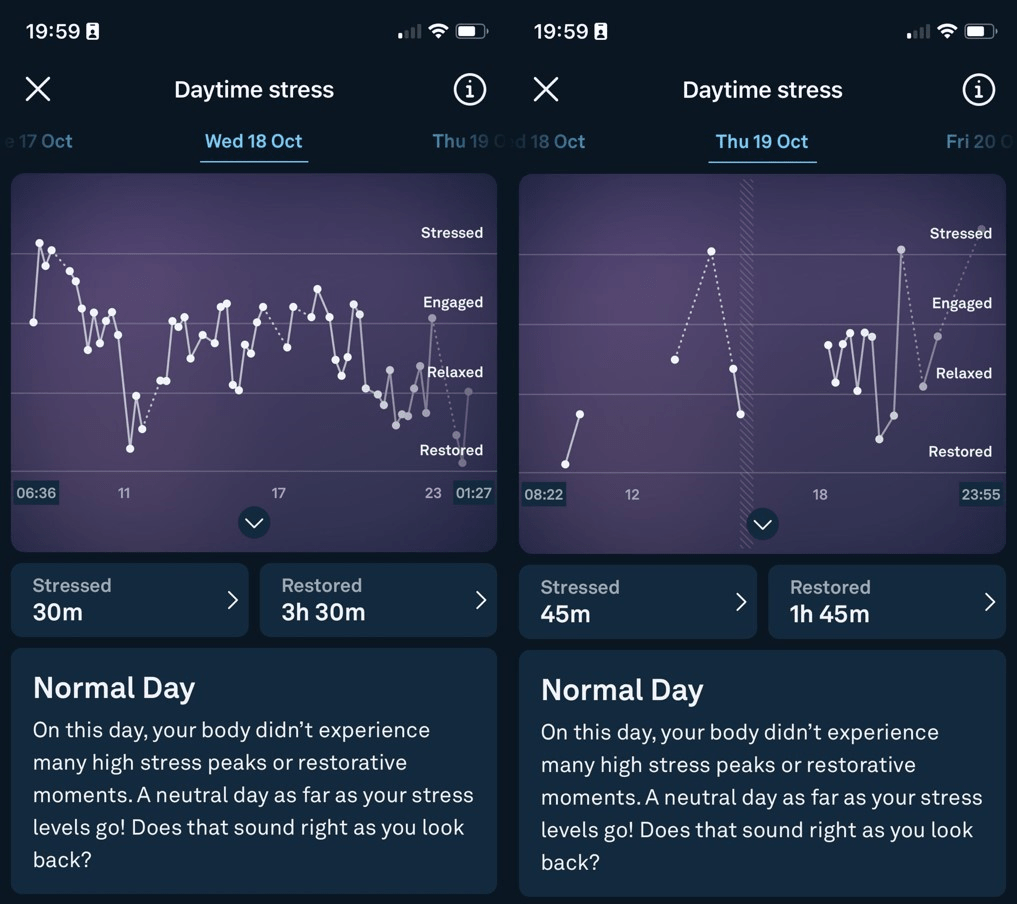
OURA has recently added a new feature: stress tracking. They are now measuring stress by using the combined measurements of body temperature, HRV and heart rate. It is really useful because it can often happen that I am so engaged into my daily life that I simply do not notice when I am stressed. OURA stress tracking allows me to look back in time and evaluate what activities were good for me and what were not so.
OURA breaks down stress measurement into four categories: Stressed, Engaged, Relaxed and Restored. I am not sure how exactly they measure these stress/relaxation levels, sometimes there are also gaps in the data which can happen for reasons unknown to me (but I guess it could be that ring disconnects from my skin). I think there is a lot of room for improvement in this measurement but it is a step in the right direction.
Is there a connection between the microbiome and HRV?
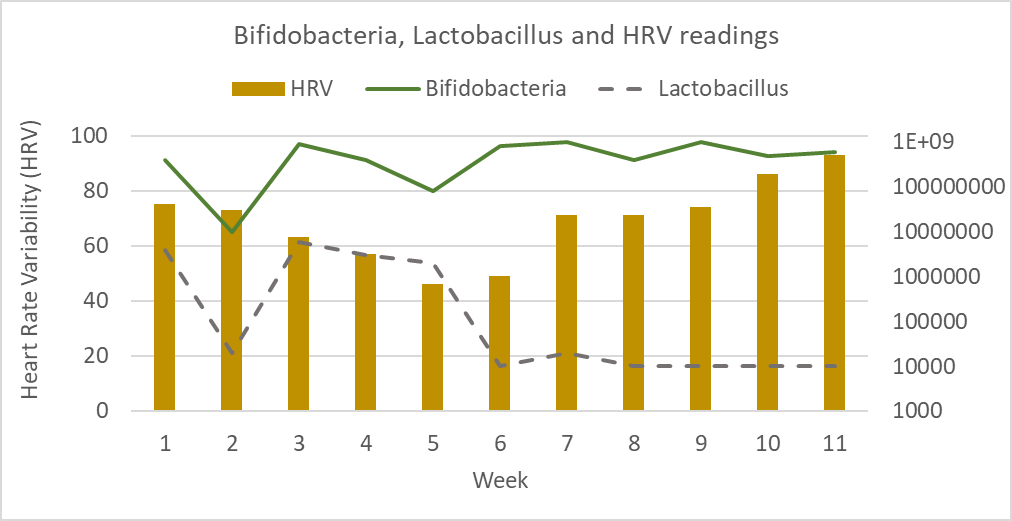
If you have read my previous posts then you probably know that I am the microbiome queen. Due to my health issues I decided to test my microbiome regularly in order to find foods that work for me rather than against me. Because HRV is connected to the parasympathetic system that includes digestion I thought it would be useful to check if there is any correlation between my gut microbiome results and my HRV results that I got with OURA (I used the average HRV each week). To my disappointment I have not observed that correlation. As you can see below my HRV does not seem to align very well with either Bifido or Lacto results.
There are a few things to bear in mind here though:
- Microbiome is much more complex and includes plenty of other types of bacteria. GetTested service that I use currently has a limit on the types of bacteria that I can test… I have started using their “Medium” test just recently and that one includes Feacalibacterium and Akkermansia. I am hoping to see in the future with more test if these types have an effect on HRV.
- I have data only for 11 weeks. It is possible that with more data a correlation may appear. I have noticed in the graph above that from week 3 to week 5 the value of HRV is declining and so are the B. and the L. results. Then from week 5 HRV is increasing and so does B. Correlation? Too little evidence…
- There are a lot of other things that may impact HRV and it is difficult to include them all in one graph. Some are hard to measure. These include stress, sleep, mood, working out, food and many more.
How much it costs and how to get it cheaper?
I did not buy my ring new, I got it on eBay. New OURA Gen 3 ring costs at least $299 (around £245) and if you want a fancy colour then you would need to pay extra. There is probably a postage cost as well because they do not distribute in the UK as far as I know. With this link you can get 40$ off the new OURA ring.
For me that was too much. I am a PhD student on a stipend and simply cannot afford it. I bought my ring (size 7) on eBay for £127. I also had to buy a set of plastic rings for £18 (which I then sold) to decide which size I need. Used ring comes at a price of risk. There is a risk it can break and then I cannot return it because I did not buy it directly from OURA. There is also an app payment (£5 a month) that I pay for the OURA app. Whether you bought a new ring or a used one you would need to pay for the app anyway.
This is all for today, but I will have more OURA posts later. Drop a comment what would you like me to talk about there.
Heath Experiment


 Health Experiment
Leave a reply to Prashant Cancel reply